In international trade, documentation is how trust is verified. When you are sourcing jute from halfway around the world, the right certificates and records give you confidence that what you ordered is what will arrive — and that it will clear customs cleanly. Here is what to look for.
Trade and shipping documents
Every export should come with a complete, consistent document set. At minimum:
- Commercial Invoice — the value and terms of the sale
- Packing List — what is in the shipment, how it is packed
- Bill of Lading — the contract of carriage and title document
- Certificate of Origin (Bangladesh) — confirms where the goods were made
- Phytosanitary Certificate — confirms the natural goods meet plant-health rules
Quality documentation
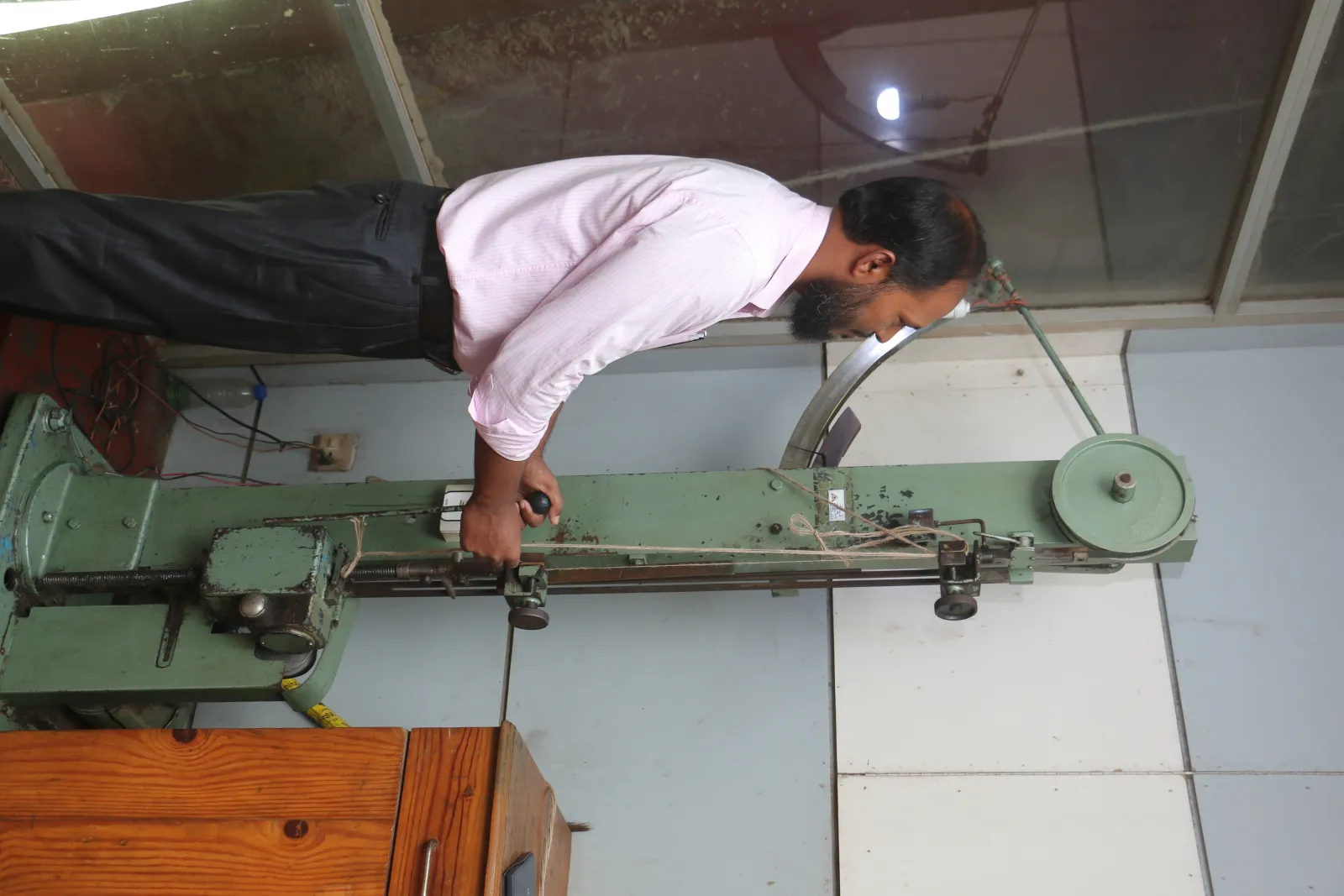
Ask whether the manufacturer issues quality certificates with shipments and can provide test data for tensile strength, weight per unit and moisture. A mill confident in its quality process will provide these on request.
Origin and preferential-tariff certificates
For some markets, origin documentation unlocks reduced tariffs. European buyers in particular should ask about preferential-origin certificates, given Bangladesh's tariff treatment under EU schemes — a point we cover in the European sourcing guide. Always confirm current requirements with your customs broker.
Audits and inspections
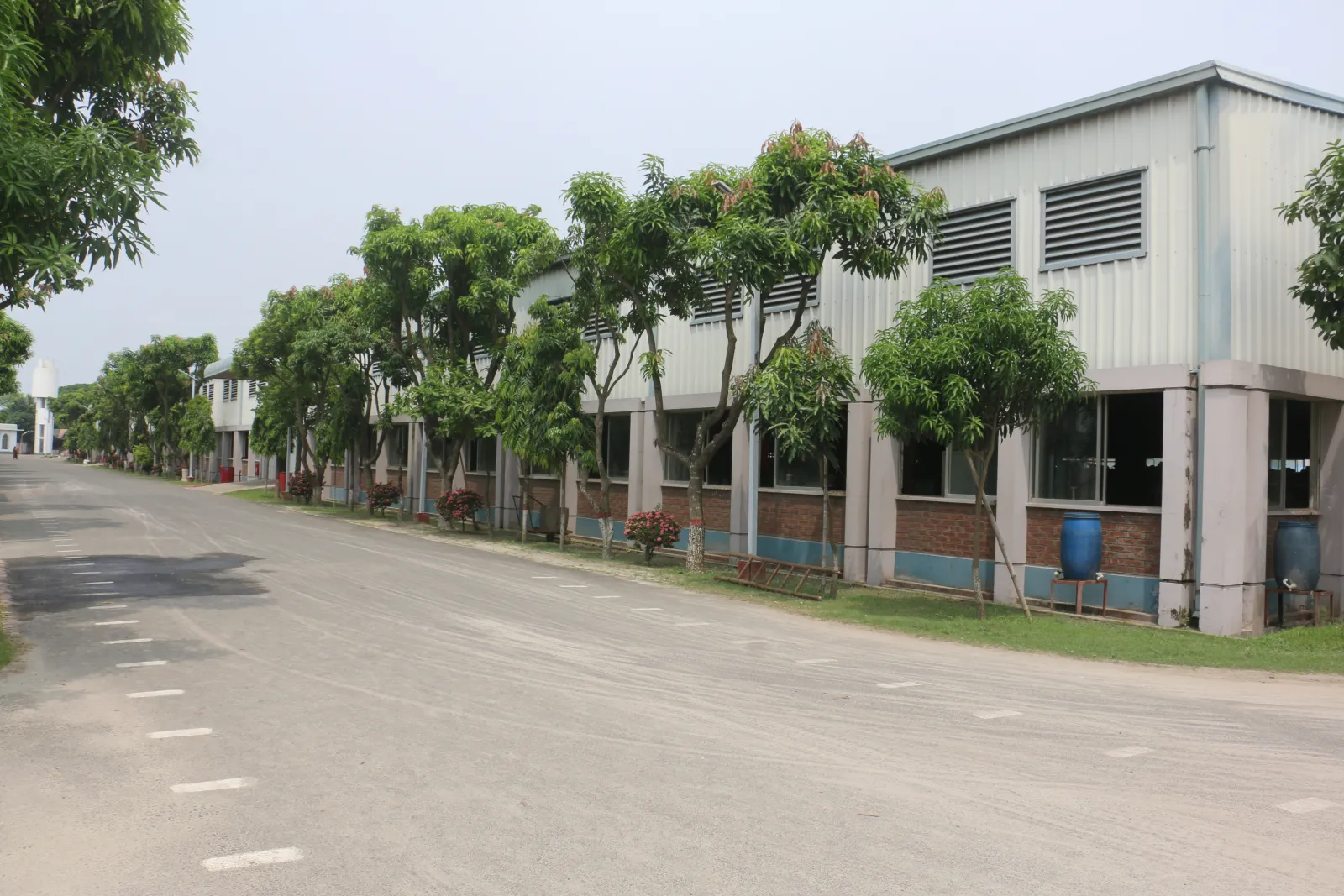
Beyond paper, the strongest verification is access. A trustworthy manufacturer welcomes buyer factory visits and independent third-party inspections. The willingness to be audited is itself a certification of sorts.
A note on specific standards
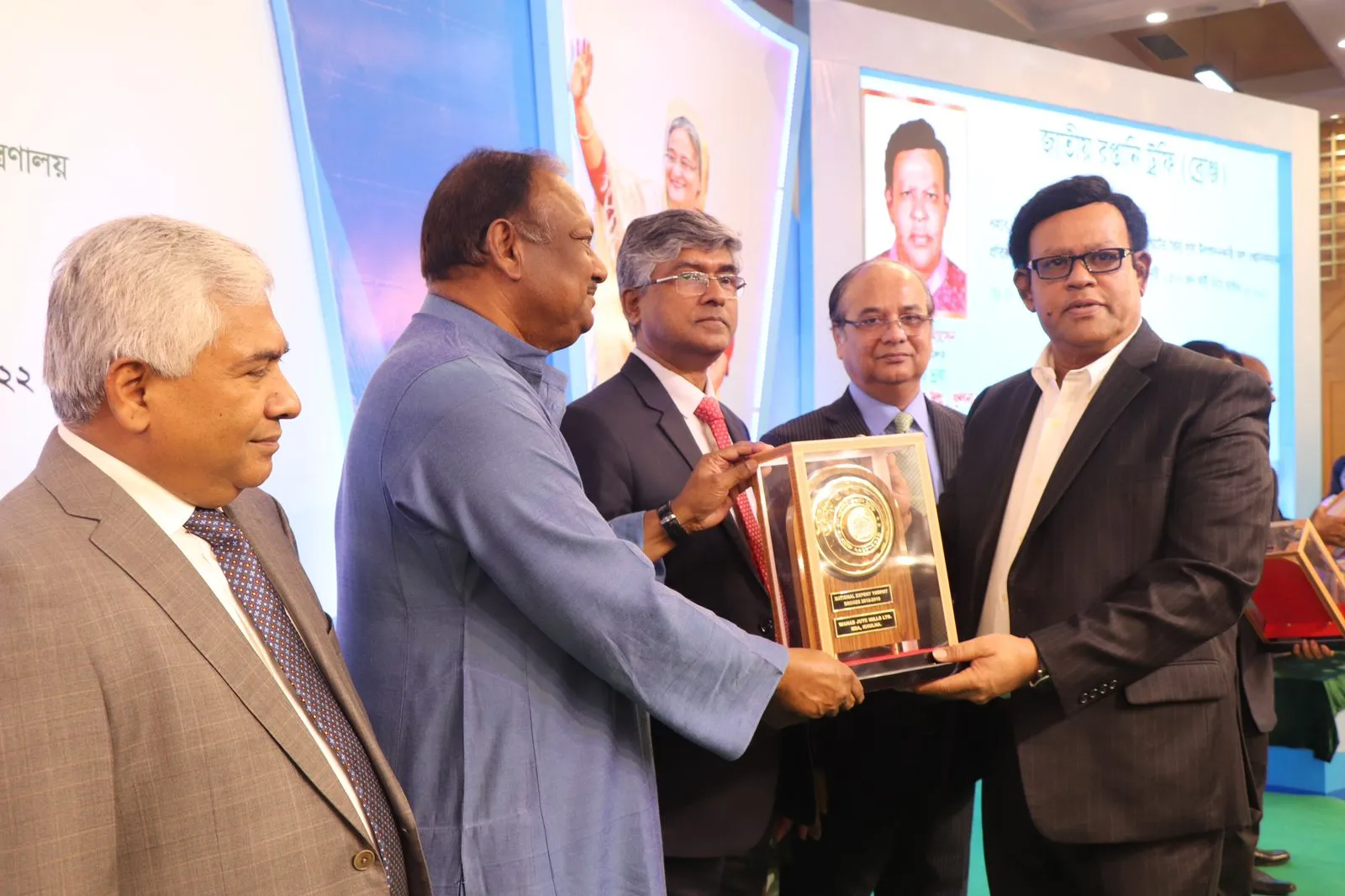
Requirements vary by market and application, so rather than assume, ask the manufacturer directly for its current certification package and confirm it covers what your market and product need. For our up-to-date documentation, simply contact us.
Verify before you commit
Use certifications alongside samples and references as part of a full supplier evaluation. To request our documentation package, get in touch.