When buyers talk about "Bangladeshi jute," they are not just naming a country of origin — they are describing a quality standard. Bangladesh is the largest exporter of raw jute in the world, and its fiber is widely regarded as the finest available. That reputation is not an accident. It comes from a rare combination of geography, climate and human expertise that no other region fully replicates.
The perfect geography: a delta built for jute
Jute thrives in warm, humid conditions with abundant water — and the Ganges-Brahmaputra-Meghna delta that forms most of Bangladesh provides exactly that. Each monsoon deposits fresh alluvial silt across the floodplains, renewing the soil's fertility year after year. The result is a growing environment tuned almost perfectly to the crop.
Just as important is water for retting — the process of soaking harvested stalks so the fiber can be separated from the woody core. Bangladesh's network of rivers, ponds and seasonal floods gives farmers the clean, slow-moving water that produces bright, well-separated fiber.
A monsoon climate on a natural schedule
Jute is sown in spring and harvested through the monsoon, reaching maturity in roughly four to six months. Bangladesh's climate — hot, humid summers with heavy, reliable rainfall — matches that cycle without the need for irrigation or heavy chemical input, which keeps the fiber clean and the crop genuinely sustainable. We explore that sustainability story in detail on our sustainability page.
White jute and Tossa jute: two great varieties
Bangladesh grows two main species. White jute (Corchorus capsularis) is the traditional variety; Tossa jute (Corchorus olitorius) produces a softer, stronger, more lustrous fiber and now dominates premium production. Having both lets mills match fiber to application precisely — and gives buyers a depth of supply that single-variety regions cannot offer.
Why Bangladeshi fiber simply performs better
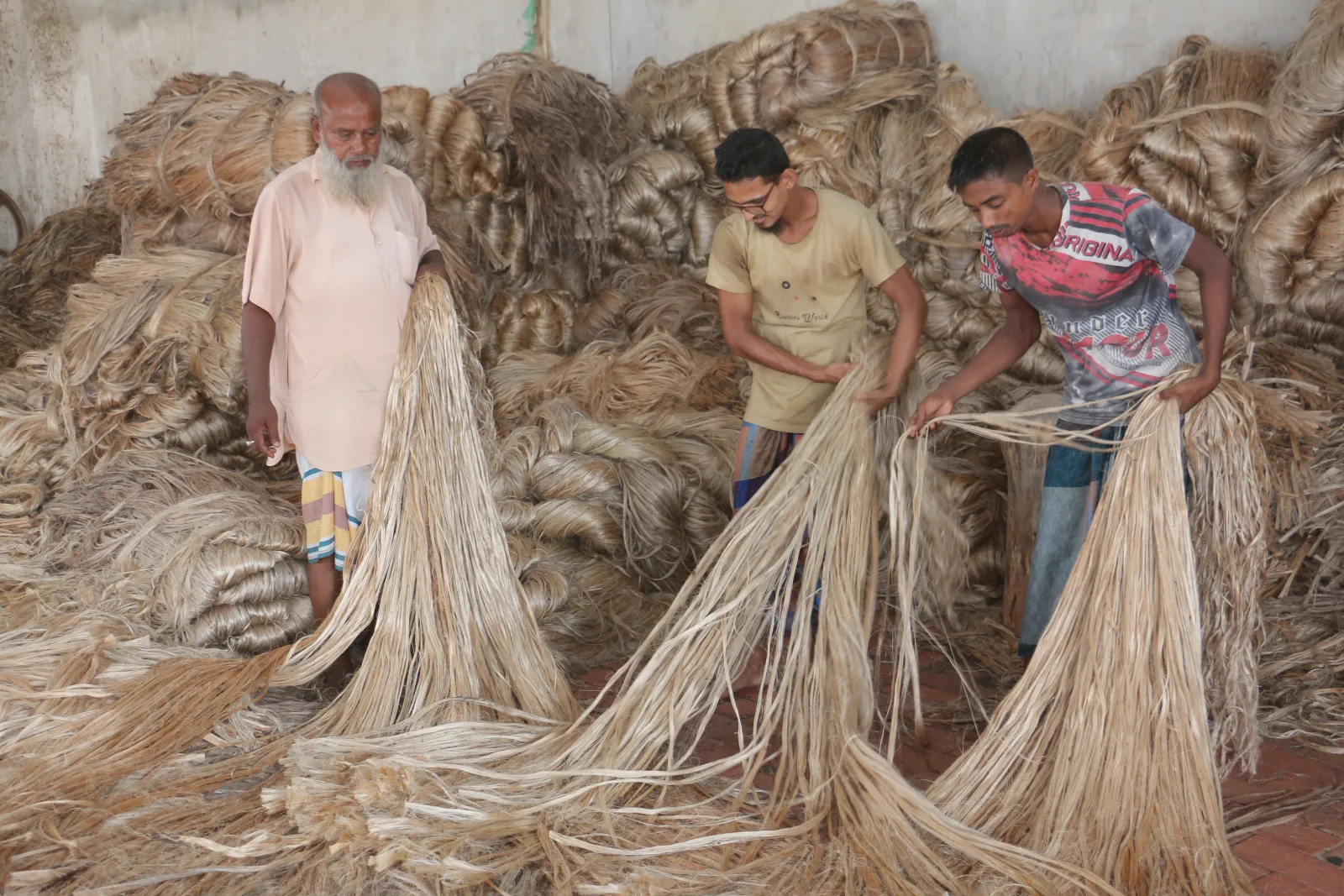
Delta-grown jute is prized for a set of properties that show up directly in the finished yarn:
- Staple length — long, even fibers spin into stronger, smoother yarn.
- Luster — the natural golden sheen that gives jute products their characteristic look.
- Tensile strength — high strength for the fiber's weight.
- Consistency — uniform quality that translates into fewer faults on the loom.
Better raw fiber means better yarn — which is why processors in China, India, Turkey and beyond specifically source Bangladeshi-origin jute even when domestic fiber is available.
Centuries of expertise
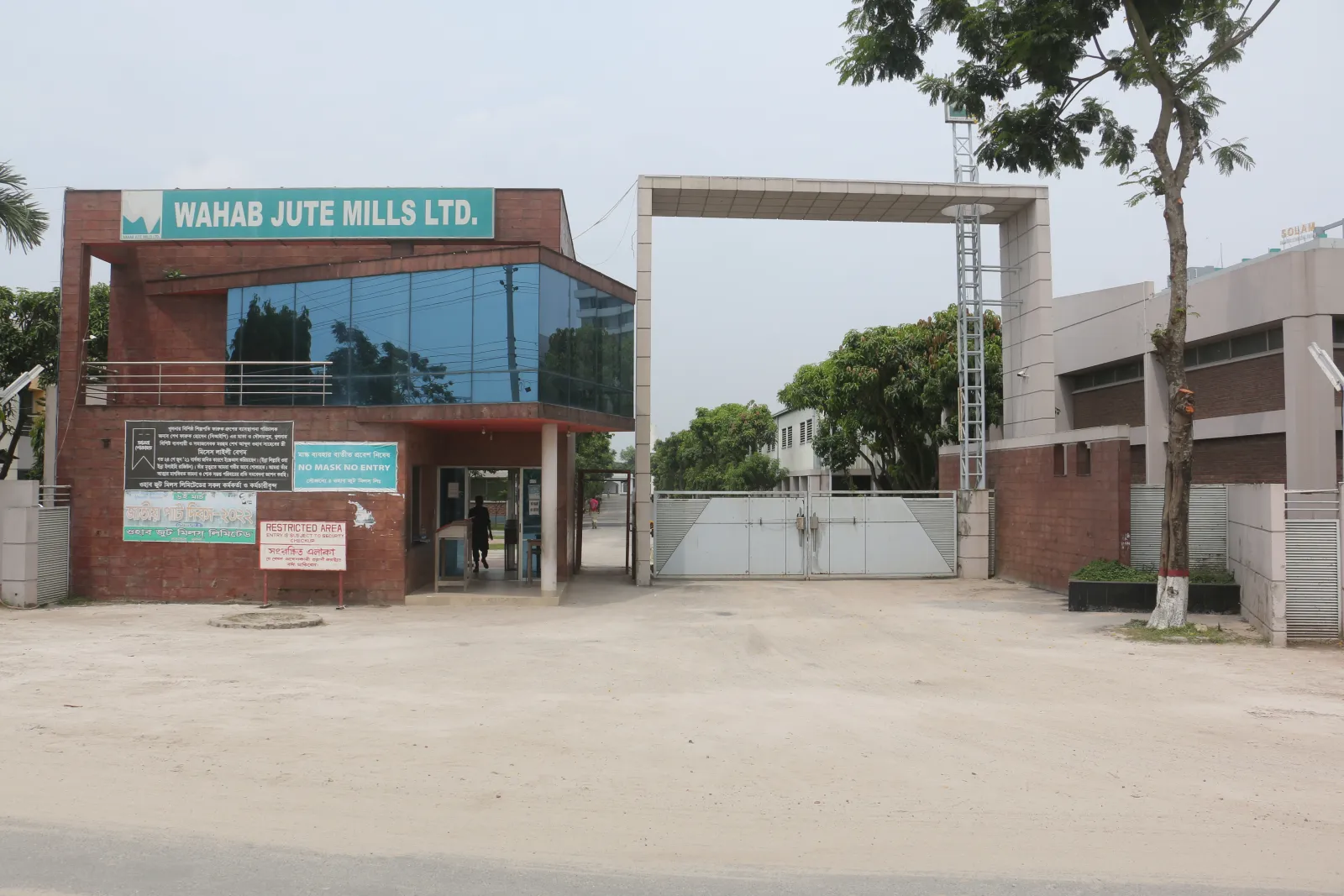
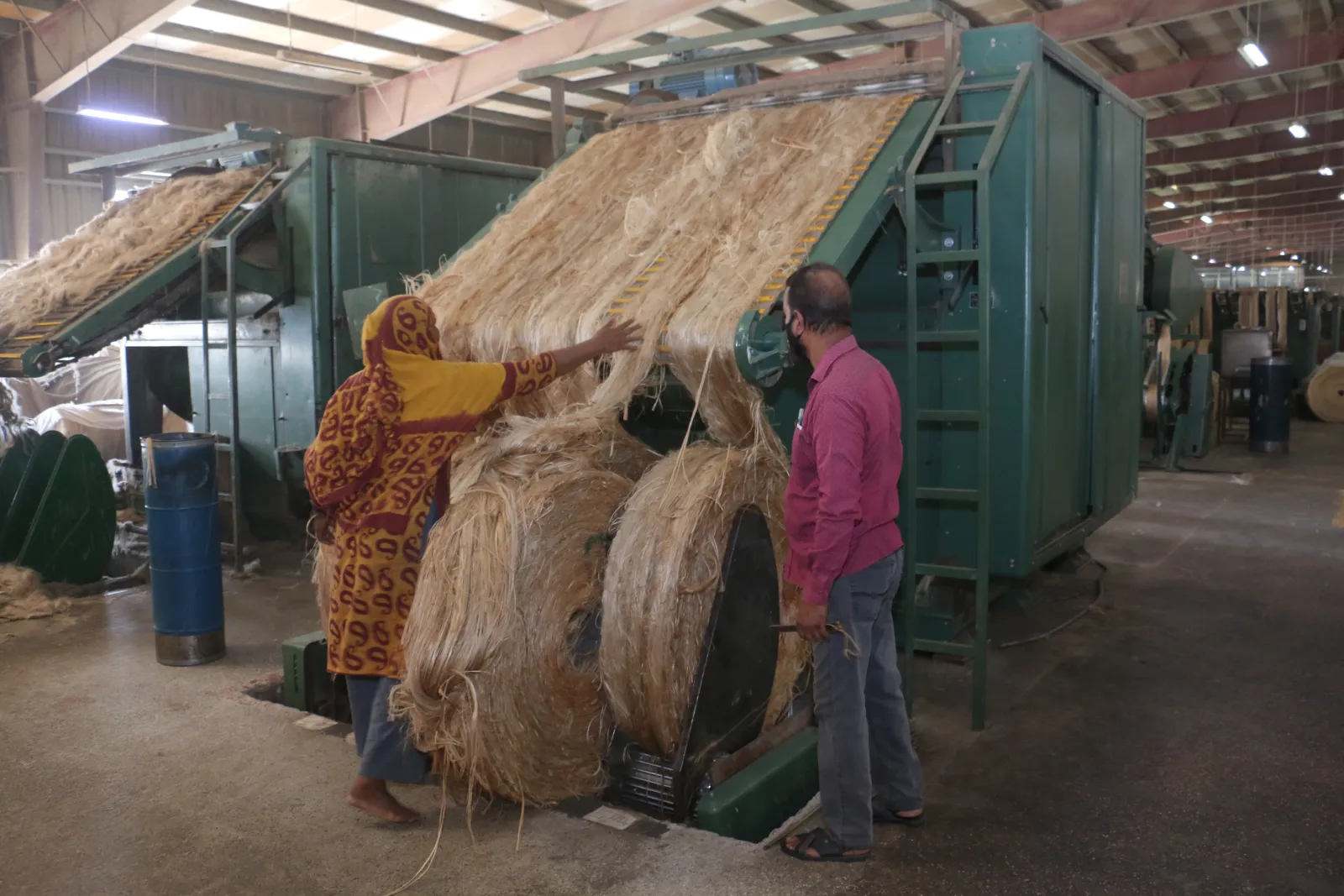
Geography sets the ceiling; expertise reaches it. Jute has been central to this region's economy for generations, and that accumulated knowledge — how to grow, ret, grade, blend and spin — is concentrated in the hands of farmers and mill workers around Khulna and the wider jute belt. It is the kind of know-how that cannot be copied quickly, and it is the reason a Khulna mill like ours can deliver the same grade shipment after shipment.
Sourcing from the source
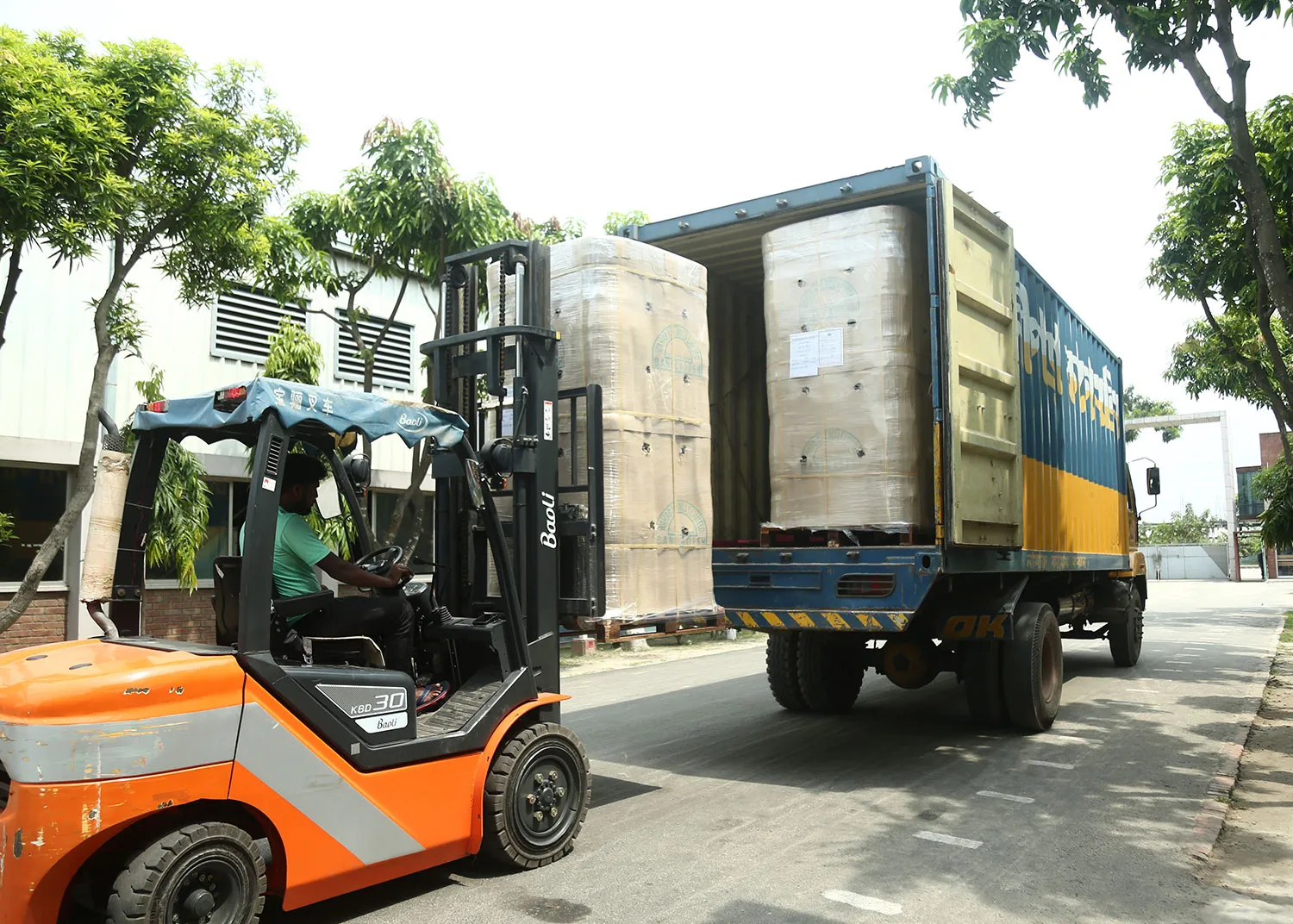
Buying Bangladeshi jute through layers of traders means paying more for less control. Buying directly from a Khulna manufacturer means the finest raw material, processed by the most experienced hands, at factory-direct prices. Explore our products or request a quote to source from the source.