China is one of the largest importers of Bangladeshi jute fiber and yarn in the world, and demand has been growing as the country shifts toward sustainable materials. For Chinese processors and manufacturers, Bangladesh offers the volume, quality and reliability that large-scale operations need.
The sustainability shift driving demand
As environmental regulation tightens and buyers prioritise eco-friendly materials, Chinese manufacturers are turning to natural jute in place of synthetics across packaging, geo-textiles and industrial applications. Jute's environmental profile — renewable, biodegradable, carbon-absorbing — fits that shift precisely.
What China imports from Bangladesh
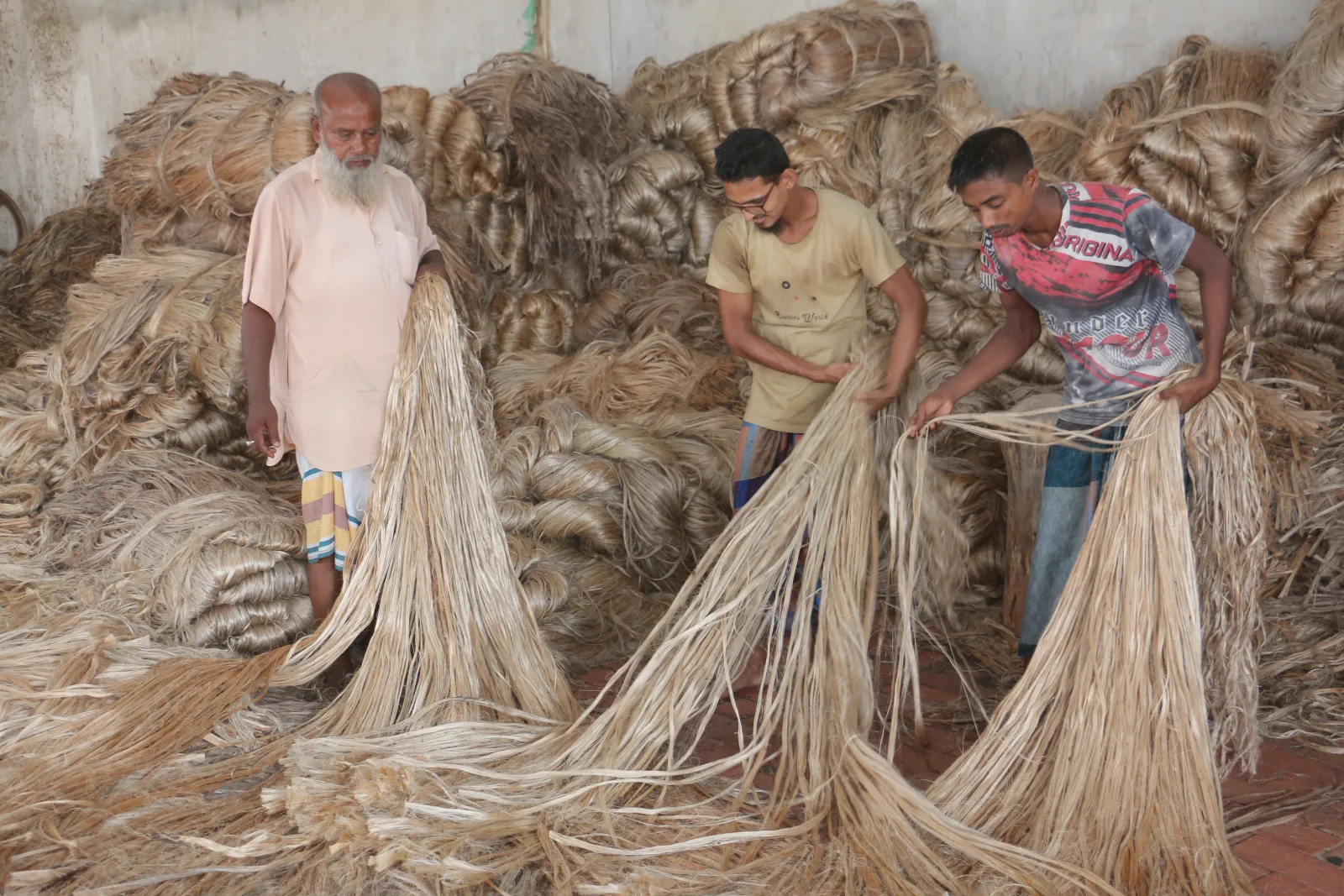
- Raw jute fiber — Grade-A Tossa and white jute for the processing industry
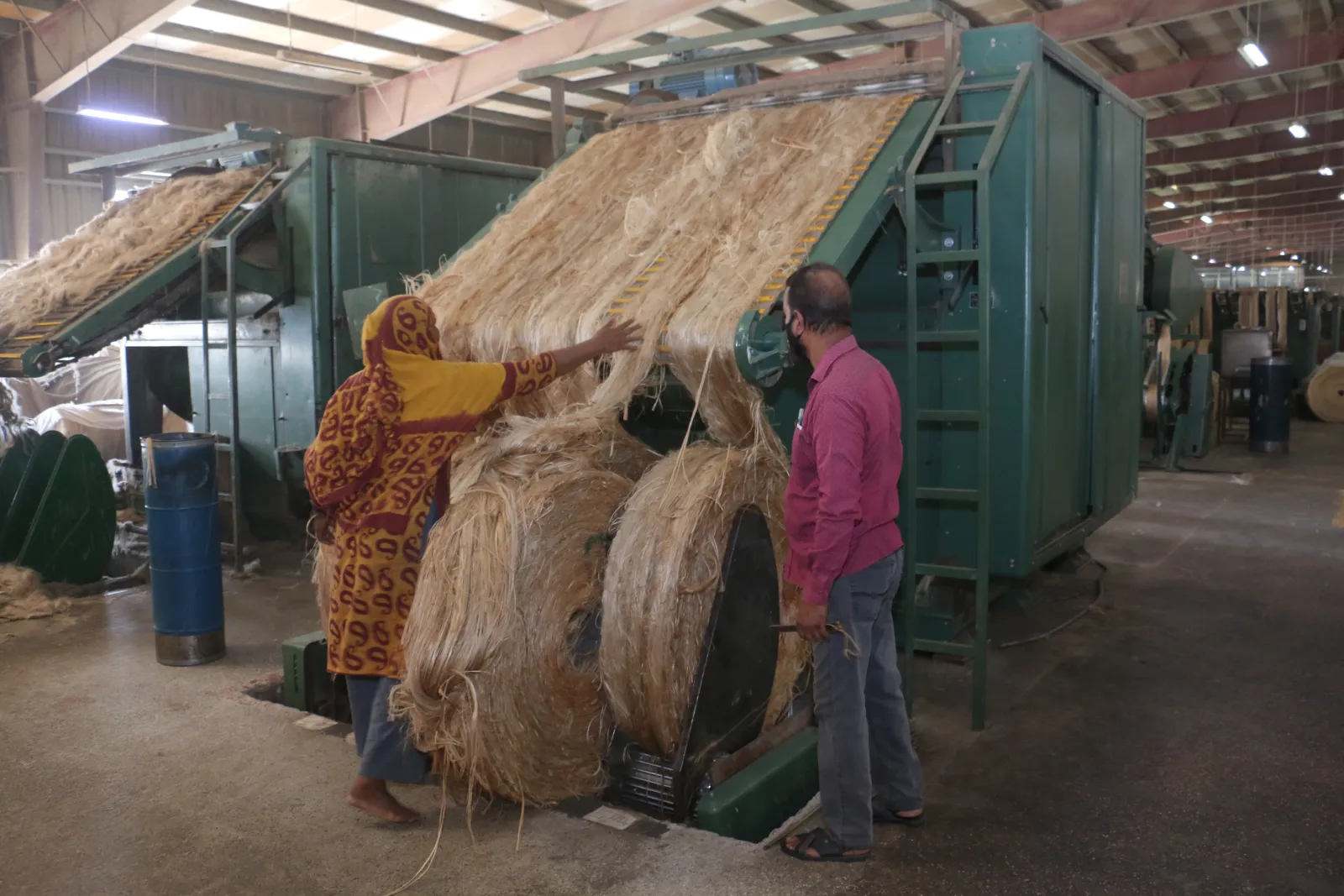
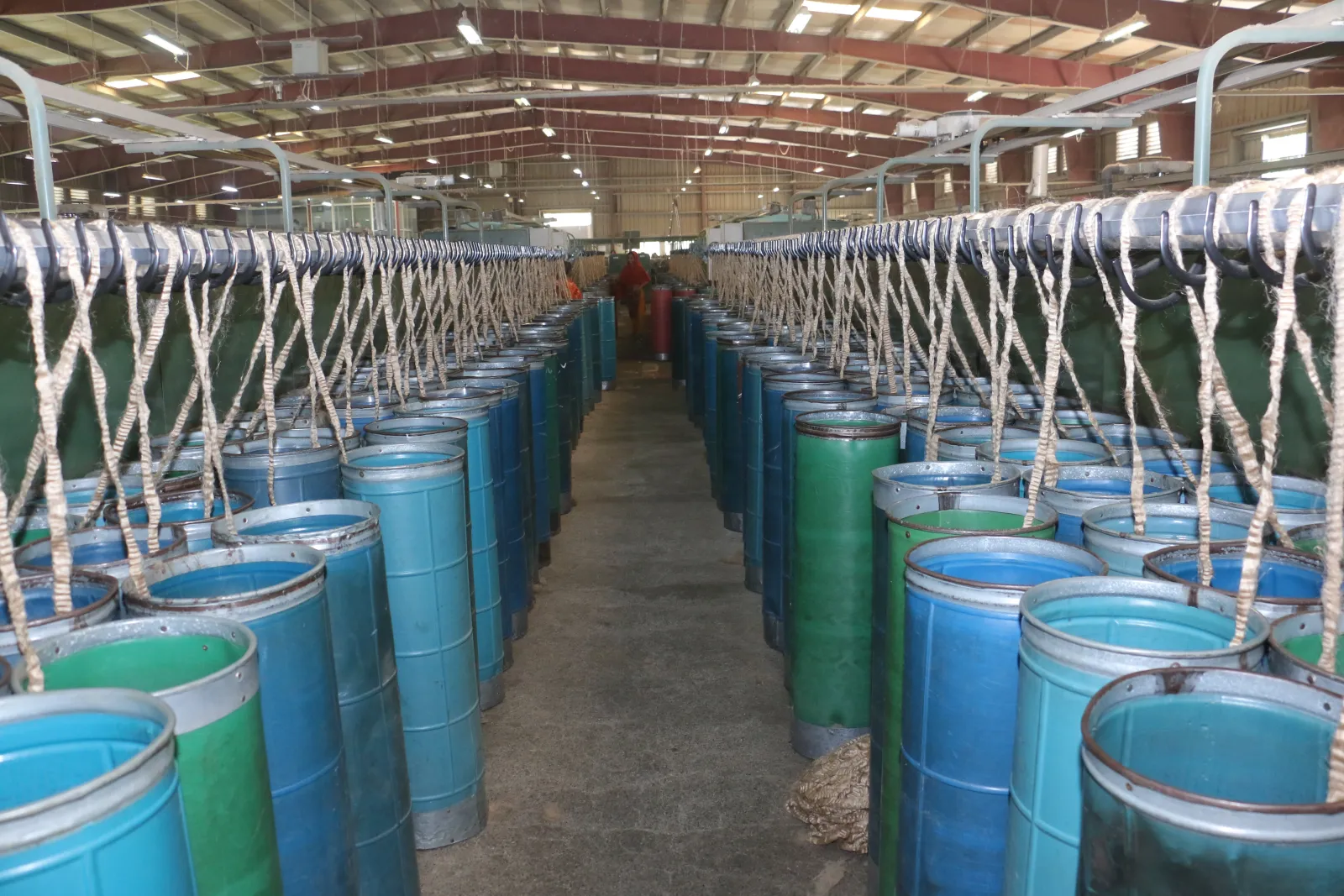
- Jute yarn — for carpet backing, weaving and industrial use
- Hessian fabric — for packaging, geo-textile and specialty applications
Raw jute fiber is especially significant: Chinese mills value Bangladeshi-origin fiber for its length, luster and strength even where domestic alternatives exist.
Sourcing at scale
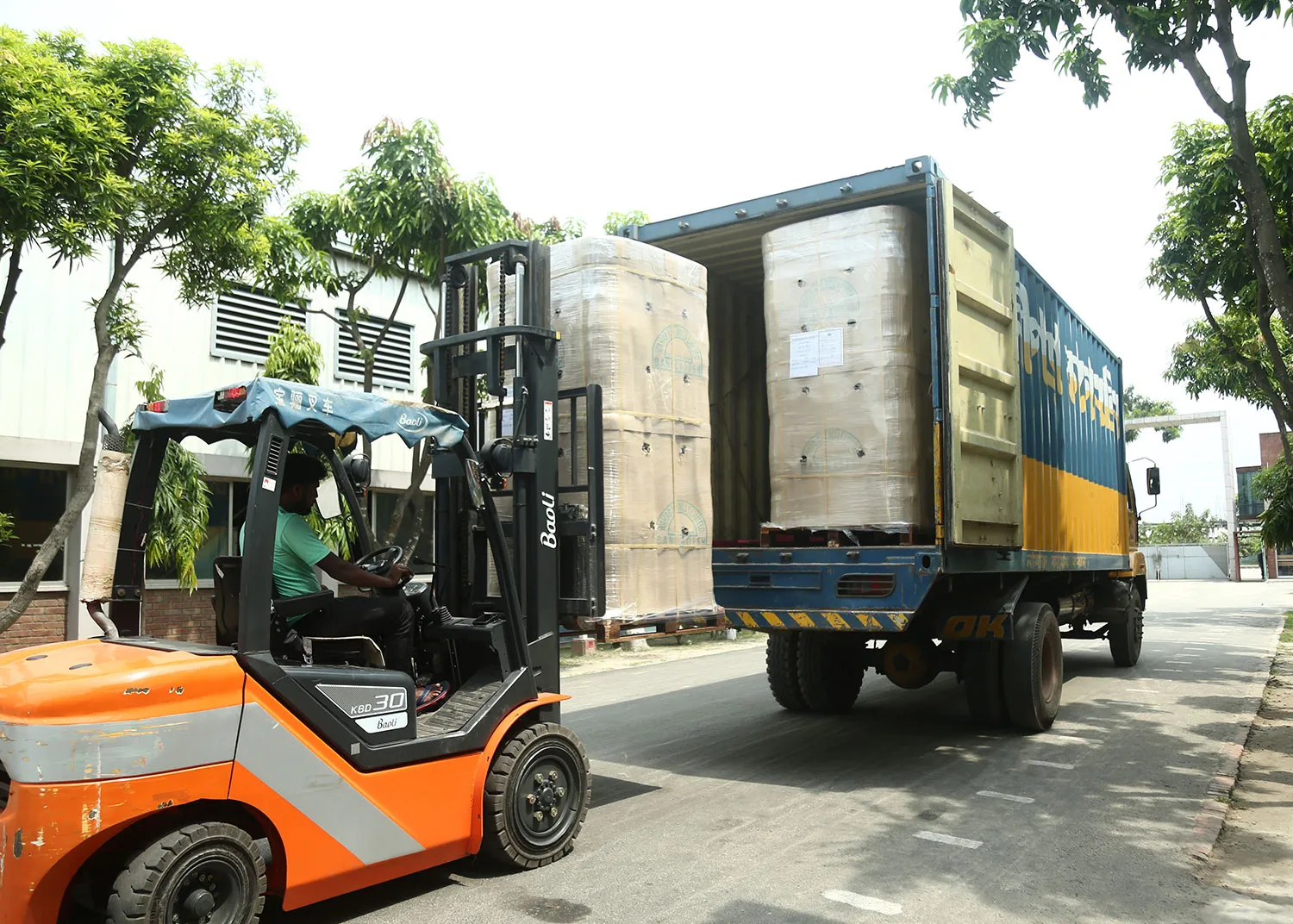
China's orders tend to be large, so the priority is a manufacturer with genuine capacity and consistent grading — from sample orders to full container loads. Our guide to evaluating a jute manufacturer helps separate real mills from traders.
Documentation for China import
Standard documents for Chinese customs include the Commercial Invoice, Packing List, Bill of Lading, Certificate of Origin (Bangladesh), Phytosanitary Certificate and quality certificates on request. Transit from Chittagong to Chinese ports is typically around 10–15 days.
Source from Khulna
Wahab Jute Mills supplies Chinese processors with fiber, yarn and hessian at the volume and consistency they require. See our China export page or request pricing.