Yarn, twine, string and rope are all made from the same jute fiber, and the words get used loosely — buyers often ask whether jute twine and string are the same thing, or exactly where twine ends and rope begins. They are points on a single spectrum, from the finest spun strand to heavy plied cordage. This guide draws the lines clearly so you can specify and order exactly what your application needs.
One fiber, four products
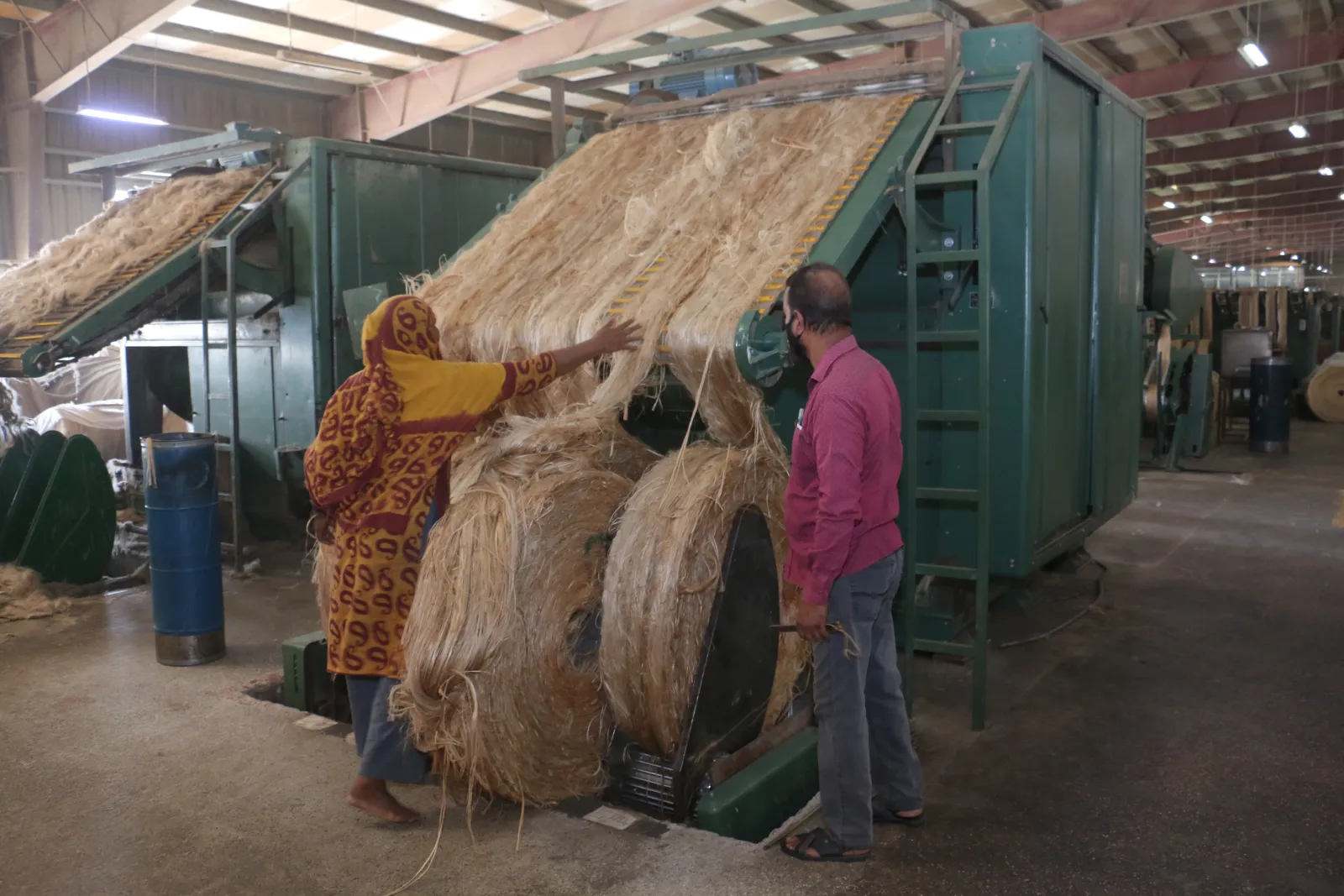
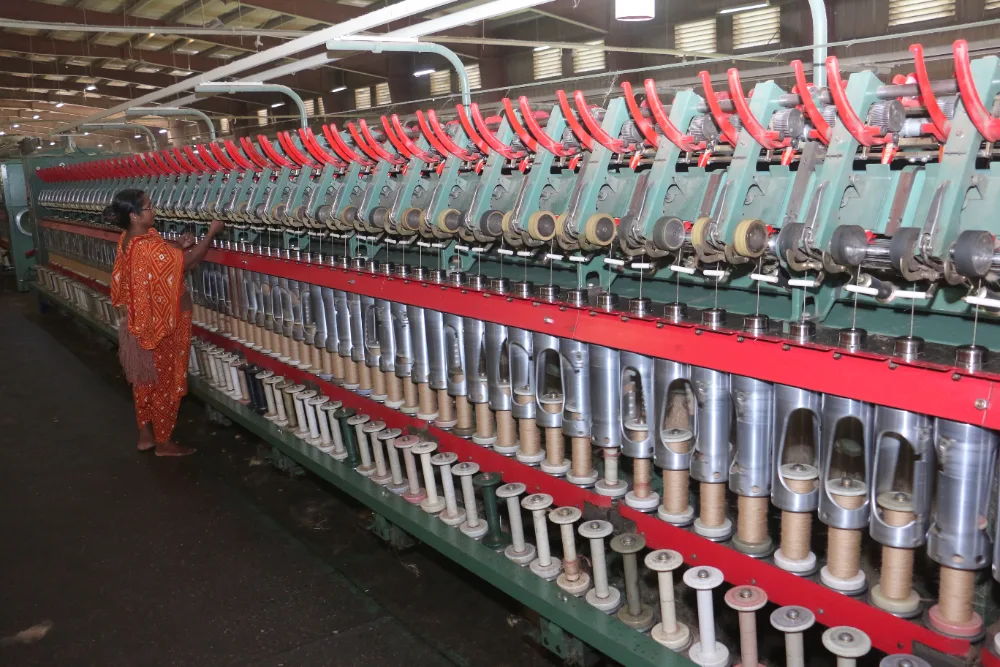
Everything here begins as spun jute yarn. Twist yarns together and you get twine — or, at the lighter end, what most people call string. Twist or braid more and heavier plies together and you get rope. So the real differences come down to ply, diameter and twist, which in turn set the strength and the feel.
Yarn is the single spun strand. Twine and string are light plied cords — “string” is just a common name for fine twine. Rope is heavy, multi-ply or braided cordage. They differ by ply, diameter and strength, not by what they're made of.
Jute yarn: the foundation
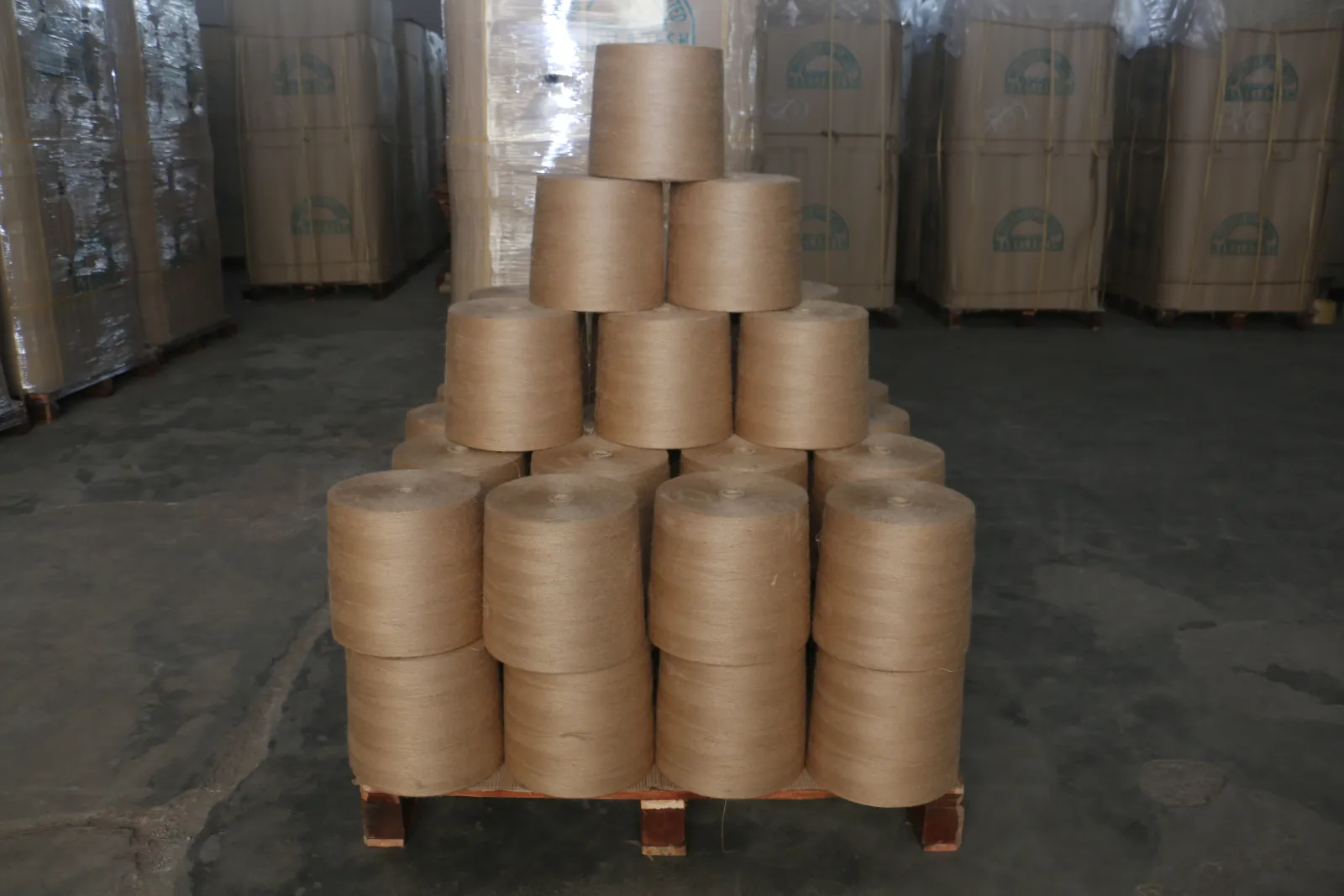
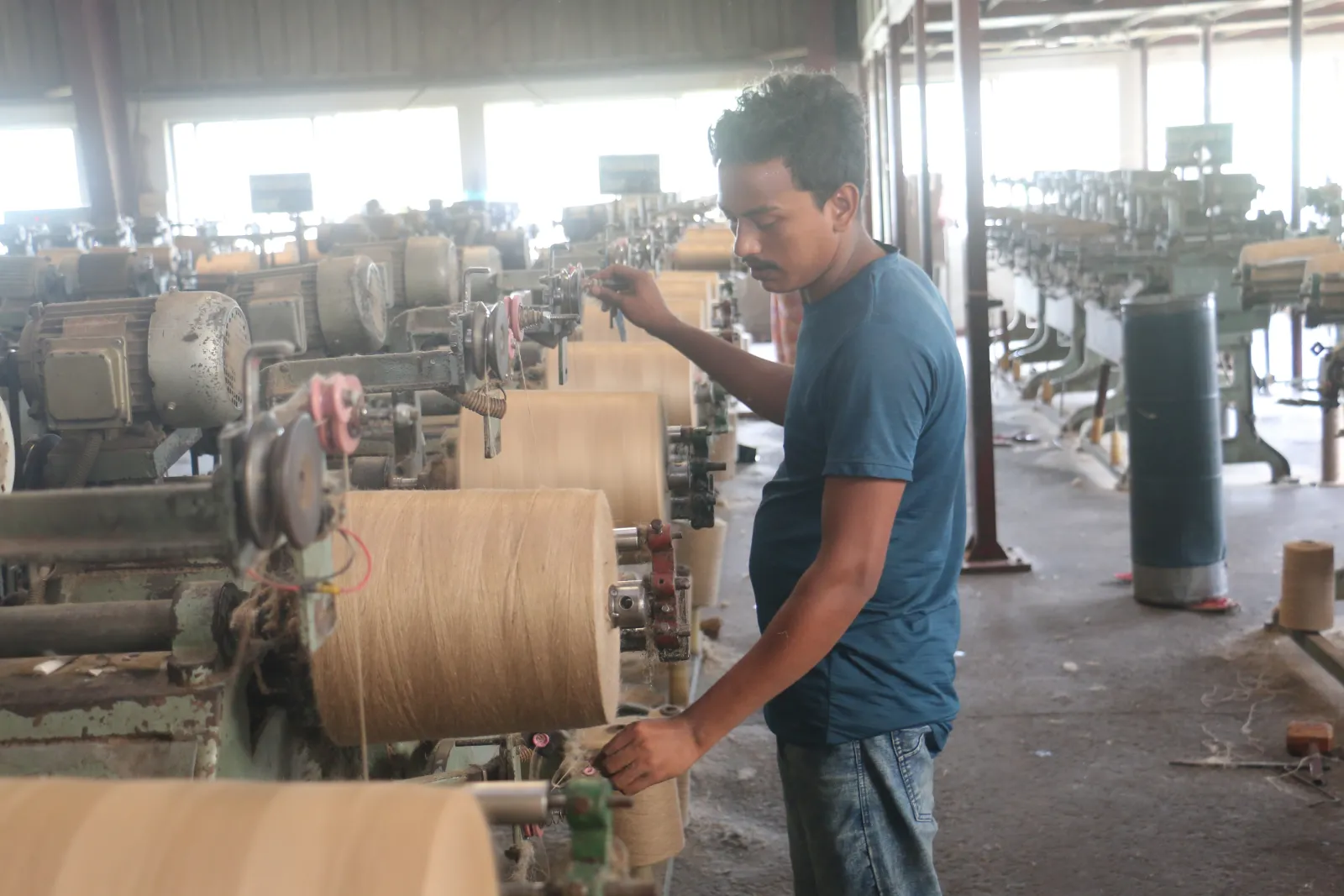
Yarn is the base product — fiber spun into a continuous strand, single or lightly plied. It is what you weave, knit or further process, and it is the raw material for twine and rope. Most jute yarn goes into carpet backing, hessian weaving or onward conversion. Its thickness is measured as a count — the weight of a fixed length.
Jute twine (and string): light, plied cordage
Twine is two or more yarns twisted together into a light, manageable cord. It is the everyday workhorse — tying, bundling, gardening, gift wrapping, packaging and craft. It is strong enough to bind reliably yet fine enough to handle and cut by hand.
Is jute twine the same as string?
In practice, yes — “string” is simply a common name for fine twine. There is no strict technical boundary: a 2-ply jute cord is twine to a packer and string to a gardener. If it is light enough to snap or cut by hand, people tend to call it string; once it is thicker and load-bearing, they call it twine, then rope. When you order, the gauge — ply and diameter — matters far more than the name.
Jute rope: heavy, high-strength
Rope is the heavy end of the spectrum: multiple plies or strands twisted (or braided) into thick, high-strength cordage for agriculture, industrial bundling, marine use, landscaping and décor. Our rope and twine range runs from light garden twine right up to heavy multi-strand rope.
Side-by-side comparison
| Product | Construction | Typical diameter | Relative strength | Common uses |
|---|---|---|---|---|
| Yarn | Single or lightly plied strand | Finest | Base material | Weaving, carpet backing, conversion |
| String | Fine 2-ply cord | ~1–2 mm | Light | Tying, crafts, gardening, gift wrap |
| Twine | 2–3 ply cord | ~2–5 mm | Medium | Bundling, packaging, agriculture |
| Rope | Multi-ply / braided | ~6–40 mm | High | Agriculture, industry, marine, décor |
These diameters are indicative — the point is the continuum. Tell us the diameter or the load and we place your product on it precisely.
Which should you choose?
- Weaving, knitting or making your own cord → jute yarn
- Tying, gift wrap, light gardening, crafts → jute string / light twine
- Bundling, packaging, baling, general agriculture → jute twine
- Heavy lifting, marine, landscaping, decorative thick cord → jute rope
How to order the right one
Whichever you need, specify the application, the diameter or strength required, the ply, and the finish (natural, bleached or treated). If you are unsure, describe what the product must do — bind, lift, decorate — and our team will recommend the right construction and send a sample. There is more on counts and twist in our jute yarn count guide.
Frequently asked questions
What is stronger, jute twine or jute rope?
Rope, by a wide margin — more plies and a larger diameter mean it carries far more load. Twine is for binding and bundling; rope is for lifting, securing and structural use.
Is jute string biodegradable?
Yes. Jute string, twine and rope are all 100% natural and biodegradable — exactly why they are favoured for gardening, packaging and eco-friendly retail over plastic cord. See jute vs. synthetic fiber.
Can you make custom diameters and plies?
Yes — we manufacture to your specified ply, diameter, finish and cut length, with custom branding on request. Request a quote and we will sample it.