A cone of jute yarn is the end of a long journey that begins in a flooded delta field months earlier. Understanding that journey explains both why jute behaves the way it does and where quality is won or lost. Here is how raw jute becomes finished yarn.
Growing and harvesting
Jute is sown in spring and harvested through the monsoon, reaching maturity in roughly four to six months. The plants grow tall and slender, with the valuable bast fiber running the length of the stalk beneath the bark. The delta's climate and soil do most of the work — minimal irrigation, little chemical input.
Retting: separating the fiber
After harvest, bundled stalks are submerged in slow-moving water to ret — a controlled microbial process that loosens the fiber from the woody core. Clean, well-managed retting is what gives Bangladeshi fiber its bright colour and luster. The fiber is then stripped, washed and dried by hand.
Grading and sourcing
Dried raw fiber is graded by length, strength, colour and cleanliness. Our procurement team selects grades to match the target yarn and price point — the first quality gate in the whole process.
Inside the mill: from fiber to sliver
On the production floor, the journey continues:
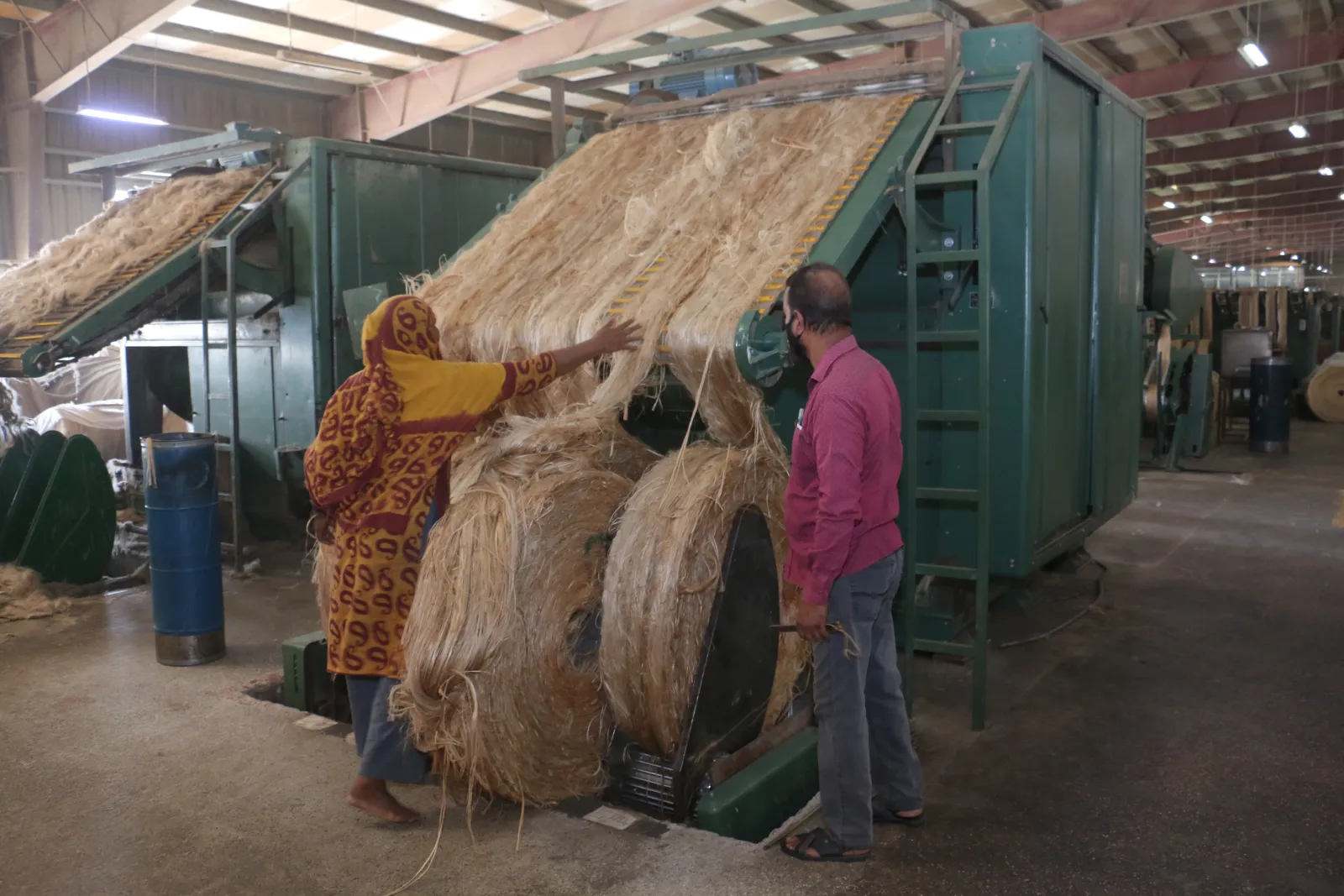
- Batching & softening — fiber is batched and treated with emulsion to soften it and even out moisture.
- Carding — machines align the fibers and remove impurities, forming a continuous sliver.
- Drawing — the sliver is drawn through stages to refine thickness and improve consistency.
Spinning the yarn
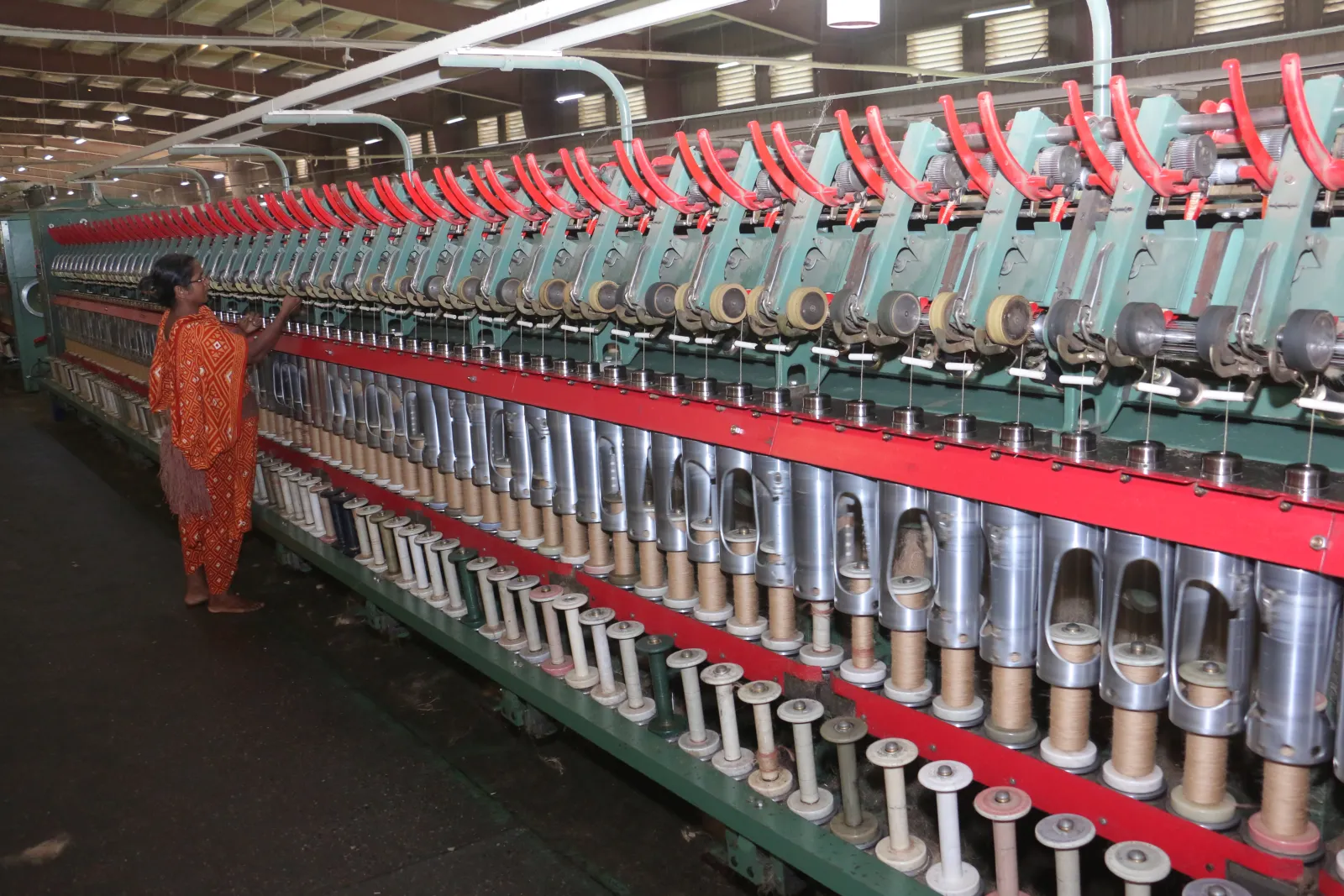
The drawn sliver is spun on ring- or rotor-spinning frames into finished yarn. This is where count, twist direction and turns per inch are precisely set — the variables that define how the yarn performs.
Winding, quality control and packing
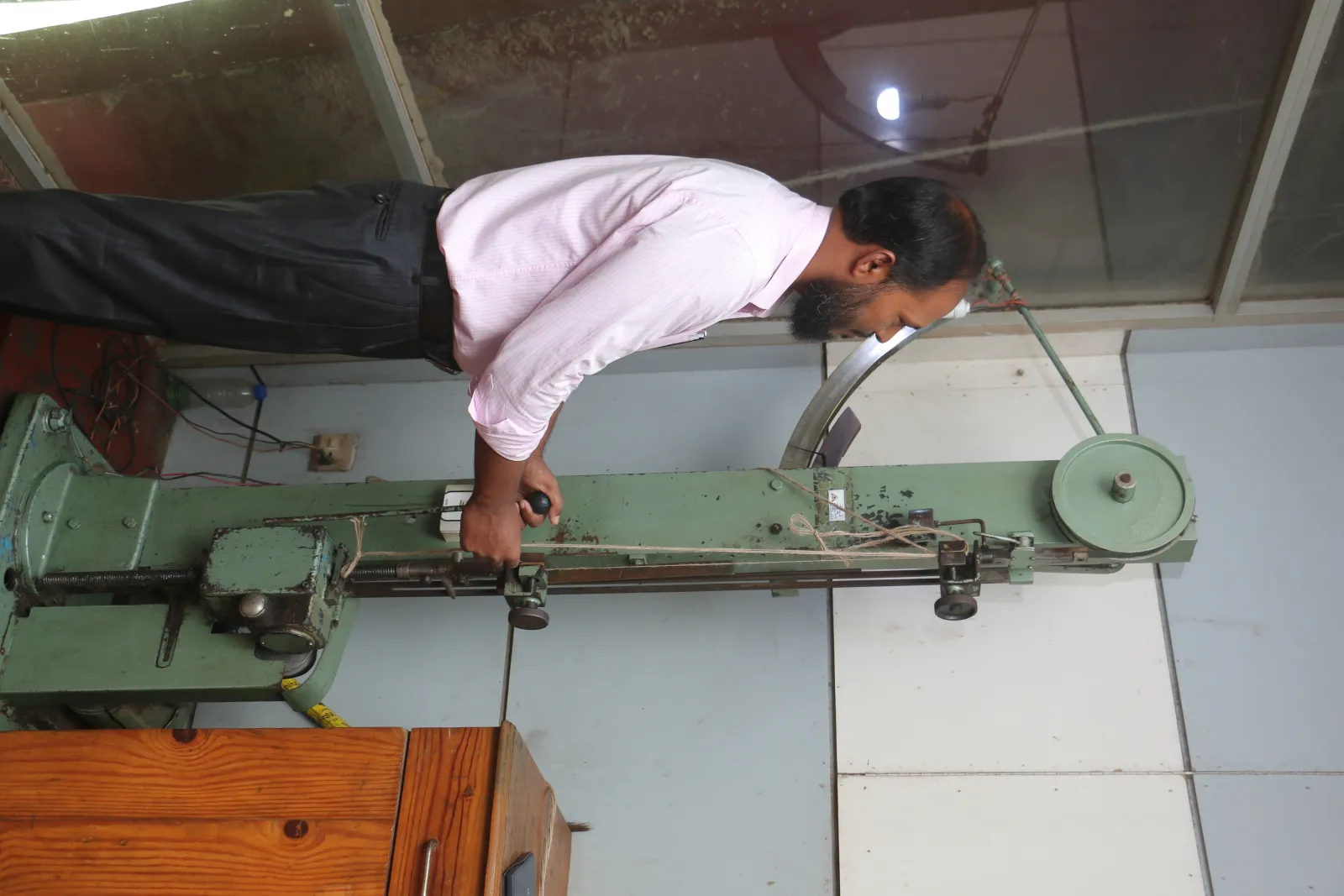
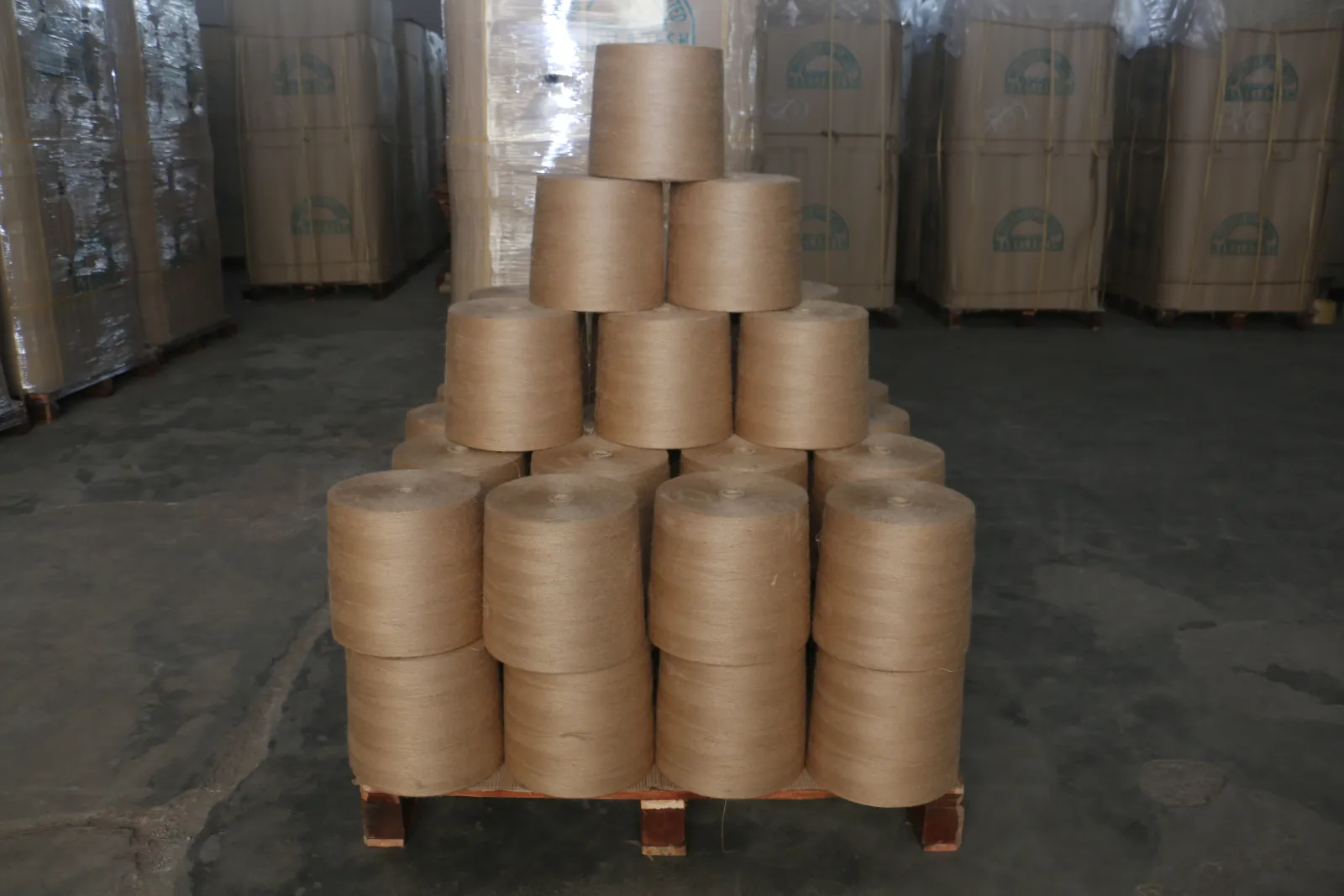
Finished yarn is wound onto hanks, cones, tubes or beams and labelled with batch, count and weight. Every batch is inspected for strength, weight per unit, moisture and appearance before being packed in export-standard bales — only approved goods ship. That is how we keep quality consistent.
See it for yourself
Explore our factory gallery to see the process in action, or request a quote to source yarn made this way.